




The short answer
Wool offers the best all-round balance of drape, durability and wrinkle resistance, making it the default choice for business and formal suits; linen is the coolest option but creases heavily, suiting casual and daytime occasions; cotton sits between the two, offering a crisp, textured look with moderate breathability, better suited to smart-casual pieces than formal suiting. The right choice depends on the occasion, climate exposure and how often the suit will be worn.
Wool vs. Linen vs. Cotton Suits: A Direct Comparison
Each of these three fibres brings a different balance of comfort, appearance and practicality to a suit, and none is universally 'best' — the right choice depends heavily on how and where the garment will be worn. In Bangkok specifically, all three can work, but each requires a different approach to weight, weave and construction to perform well in the climate.
Wool: Best for Durability and Versatility
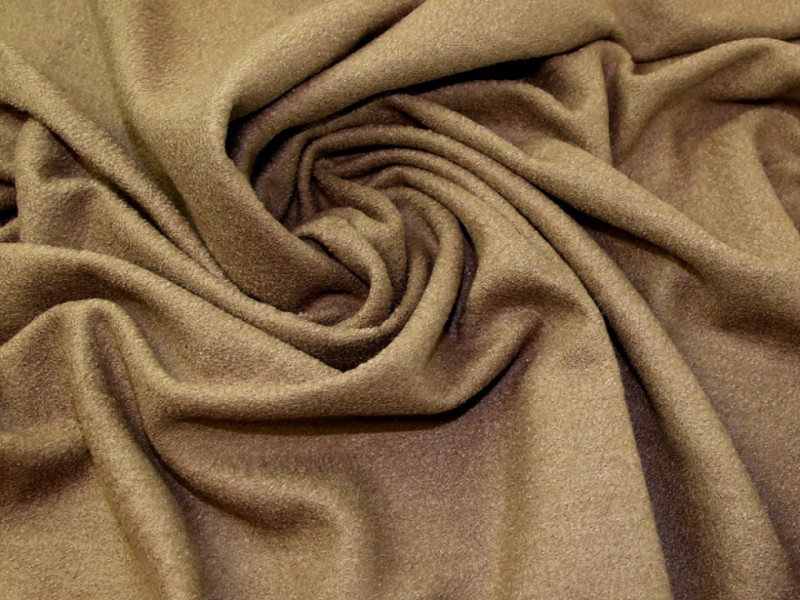
Wool remains the most versatile suiting fibre thanks to its natural elasticity, which allows it to recover from creasing far better than either linen or cotton, along with a drape that flatters most body types. Lightweight, high-twist wools specifically are well suited to Bangkok's heat, offering much of standard wool's structure and longevity without the discomfort of a heavier cloth.
Linen: Best for Maximum Breathability
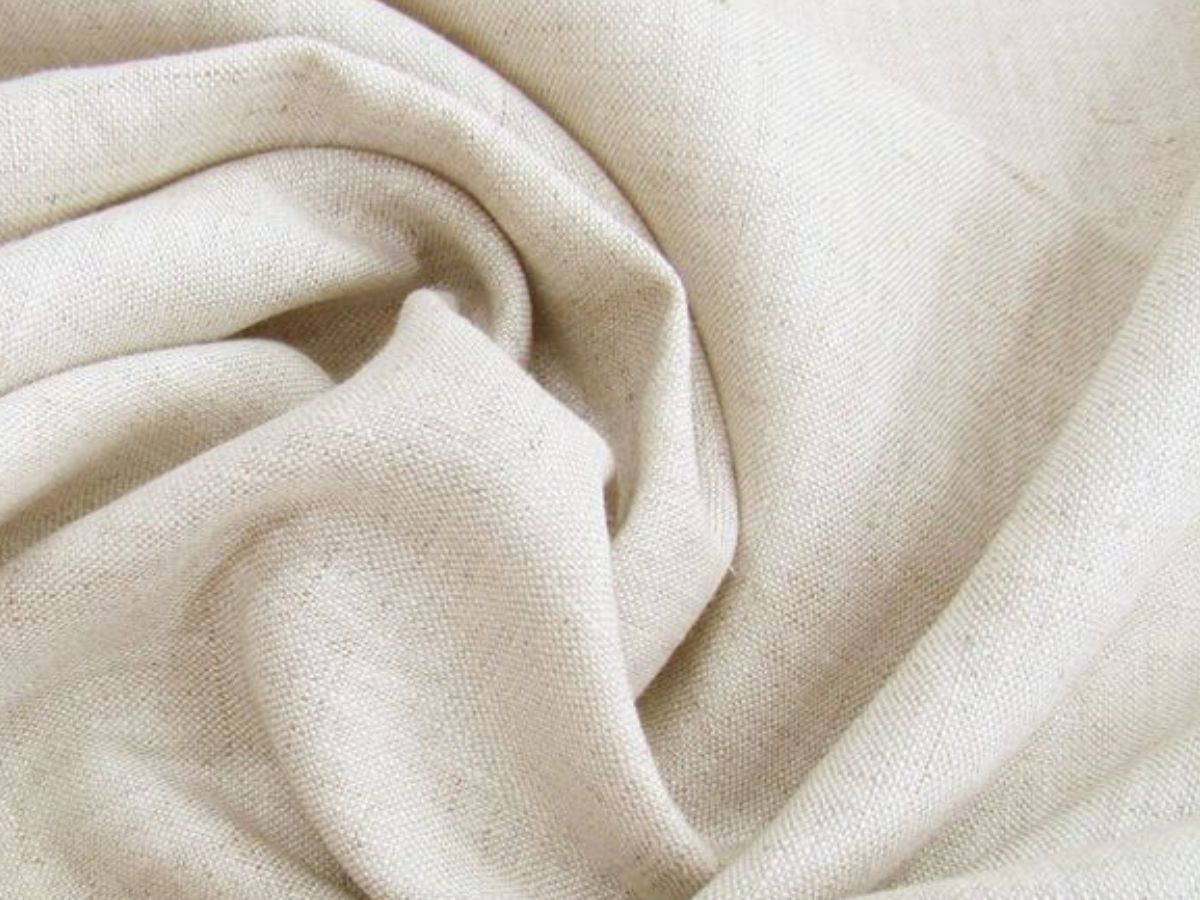
Linen is unmatched for pure coolness in extreme heat, thanks to its open weave and moisture-wicking fibre structure, but it wrinkles by nature and will look relaxed and creased by the end of a day's wear. It's best chosen for occasions where this casual, textured look is welcome rather than fought against.
Cotton: A Crisp, Casual Middle Ground
Cotton suiting offers reasonable breathability and a distinct, slightly matte texture that reads as more casual than wool but more structured than linen. It tends to work best in smart-casual pieces like blazers and separates rather than full business suits, where wool's drape is usually preferred.
Matching Fabric to Occasion
For business suits worn regularly, wool — specifically a lightweight, high-twist finish — is generally the strongest choice. For weddings and daytime social events in the heat, linen or a wool-linen blend performs well. For smart-casual blazers and separates, cotton or a cotton-linen blend offers a versatile, breathable option.
How Manchester Tailor BKK Helps Clients Decide
With a directly imported library spanning wool, linen, cotton, cashmere and silk — more than 5,000 fabrics in total — Manchester Tailor BKK's consultations focus on matching fibre, weight and weave to the client's actual use case rather than simply recommending whatever is most fashionable. Established in Bangkok in 2000 and based in Khaosan Area, the atelier's tailors have years of direct experience seeing how different fabrics genuinely perform in the local climate, not just in a showroom.
Frequently asked questions
- Which fabric lasts the longest for a suit?
- Wool generally offers the best long-term durability and wrinkle recovery of the three, particularly for garments worn regularly.
- Can I mix fabrics — like a wool jacket with linen trousers?
- Yes, this is a common smart-casual combination, though for a formal matching suit, jacket and trousers should be cut from the same cloth.
- Is cotton too casual for a business suit?
- It can read as more casual than wool, so cotton is generally better suited to blazers and separates than a formal, matched business suit.