




The short answer
Wool remains the most versatile suiting fibre thanks to its natural breathability, drape and wrinkle recovery, while linen offers superior coolness at the cost of creasing heavily, and cotton sits between the two with a crisper, more casual character. For Bangkok's climate, lightweight high-twist wools and wool blends generally offer the best all-round balance of comfort, appearance and durability.
A Complete Guide to Suit Fabric: Where to Start
Choosing a suit fabric comes down to weighing four factors against each other: breathability, drape, durability and how the cloth recovers from wrinkles. No single fibre wins on all four counts, which is why understanding each one's strengths lets you match the fabric to how and where the suit will actually be worn — a genuinely important decision in a climate like Bangkok's, where humidity and heat put more demand on cloth than in temperate cities.
Manchester Tailor BKK stocks over 5,000 fabrics across wool, cashmere, linen, cotton, silk and blends, sourced directly from mills in Italy, England and Australia, which means the decision isn't limited to a handful of house options but genuinely tailored to the client's priorities.
Wool: The Cornerstone of Suiting
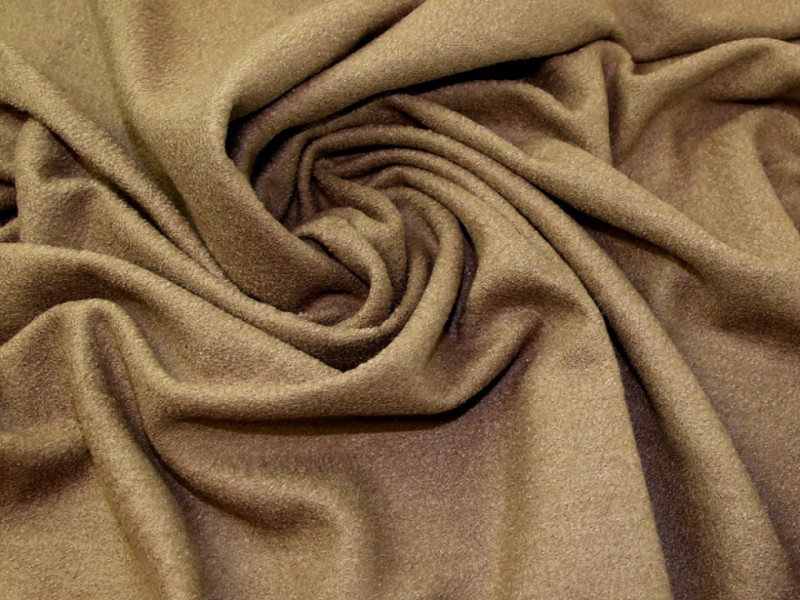
Wool remains the default choice for good reason. It breathes well, drapes cleanly over the body, resists wrinkling far better than natural cellulose fibres like linen or cotton, and comes in an enormous range of weights and finishes, from featherlight tropical weaves to substantial flannels. High-twist and tropical wool finishes, in particular, are engineered for exactly the kind of heat and movement a Bangkok wardrobe demands.
Linen: Cool but Demanding
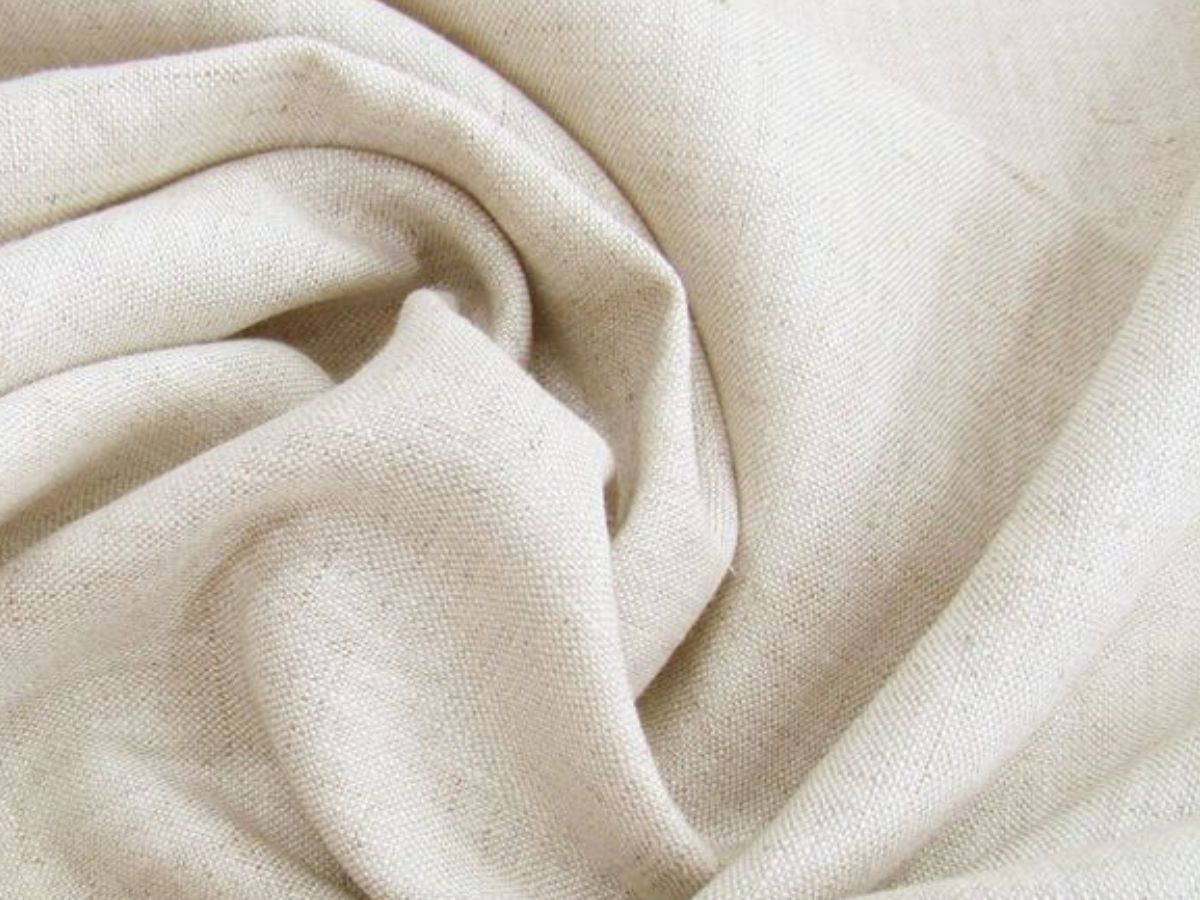
Linen, woven from the flax plant, is the coolest natural suiting fibre available and genuinely excels in extreme heat. Its defining trait, though, is that it wrinkles by nature — this isn't a flaw to be engineered out, but part of the fabric's inherent character, and anyone choosing linen should expect and accept a relaxed, creased look by the end of a day's wear rather than fighting it.
Cotton: Crisp and Casual
Cotton suiting sits between wool and linen in most respects — cooler and more textured than wool, but with better wrinkle resistance and structure than pure linen. It tends to suit more casual and smart-casual pieces, such as blazers and separates, rather than formal business suiting, where wool's drape is generally preferred.
Blends: Combining the Best of Each
Wool-linen and wool-silk blends are increasingly popular precisely because they borrow strengths from each component fibre — a wool-linen blend, for instance, keeps much of linen's breathability while gaining wool's wrinkle recovery and drape, making it a strong middle-ground option for warm-climate business and event suits.
How to Choose the Right Fabric for a Bangkok Wardrobe
For daily business wear, a lightweight worsted or high-twist wool in the 200–260 gram range is generally the strongest all-round choice. For weddings and warm daytime events, a wool-linen blend offers a good compromise between breathability and structure. Pure linen is best reserved for genuinely casual or resort-style occasions where its characteristic creasing won't be a concern.
Because Manchester Tailor BKK's fabric library spans this full range, and every commission starts with an individual paper pattern, clients aren't forced to choose between fabric quality and climate suitability — the atelier can match weight, weave and finish precisely to the intended use.
Frequently asked questions
- Is wool too hot for Bangkok?
- Heavier wools can be, but lightweight, high-twist tropical wools in the 200–260 gram range are specifically designed to perform well in hot, humid climates.
- Should I avoid linen entirely for business wear?
- Not necessarily, but pure linen creases heavily and reads as casual, so a wool-linen blend is usually more appropriate for business settings.
- What's the difference between a fused and canvassed suit fabric?
- Canvassing refers to the internal structure beneath the cloth, not the fabric itself, but the two interact closely — natural fibres like wool respond better to canvassing, which allows the cloth to be shaped and steamed, unlike fused construction which glues the layers together.