




The short answer
The best-performing suit fabrics in Bangkok's climate are lightweight, high-twist wools in the 200–260 gram range, wool-linen blends, and breathable cottons, all chosen primarily for fabric weight and weave rather than fibre type alone. Half-canvassed or unlined construction further improves comfort by reducing the layers trapping heat against the body.
What Are the Best Fabrics for Bangkok's Hot, Humid Climate?
Bangkok's combination of high heat and near-constant humidity makes fabric weight and weave more important than fibre type alone. A heavy flannel wool suited to a European winter will feel oppressive here regardless of how well-constructed the suit is, while a well-chosen lightweight wool, wool-linen blend, or fine cotton can remain genuinely comfortable through a full day outdoors.
Why Fabric Weight Matters More Than Fibre Type
Suit fabric weight is measured in grams per metre, and for a tropical climate, weights in the 200–260 gram range generally strike the right balance — light enough to stay cool, but substantial enough to hold a tailored shape and drape properly rather than clinging or creasing excessively. Fabrics much lighter than this can feel flimsy and lose their structure quickly; much heavier, and they become genuinely uncomfortable in Bangkok's outdoor heat.
High-Twist and Tropical Wools
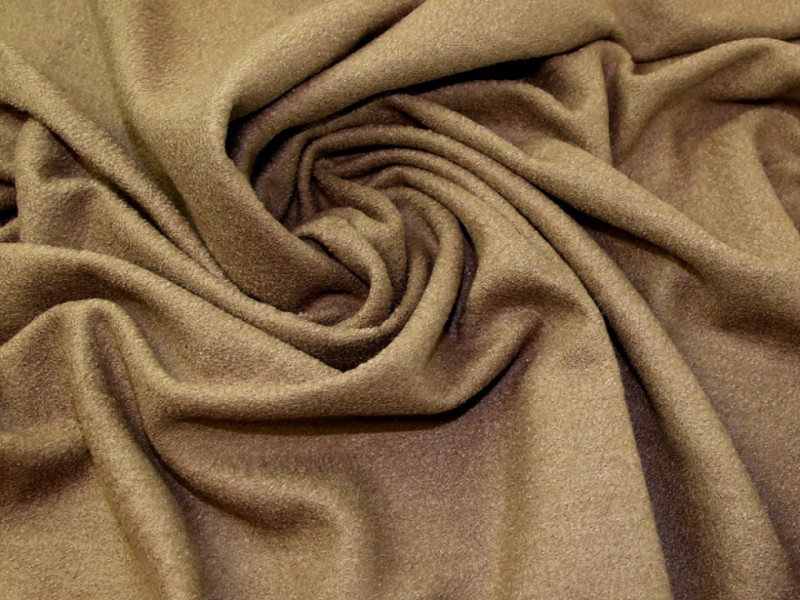
High-twist wool is spun with a tighter twist in the yarn, which creates small air pockets in the weave and gives the cloth a slight natural stretch and resistance to wrinkling. Often labelled 'tropical wool' by mills, this finish is specifically engineered for exactly the conditions Bangkok presents, and remains one of the most reliable recommendations for business suiting in the city.
Wool-Linen and Wool-Silk Blends
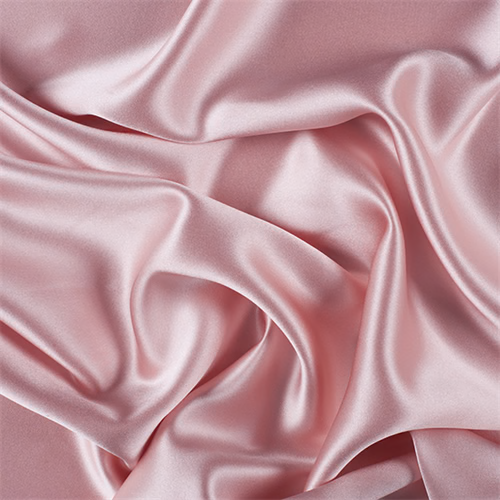
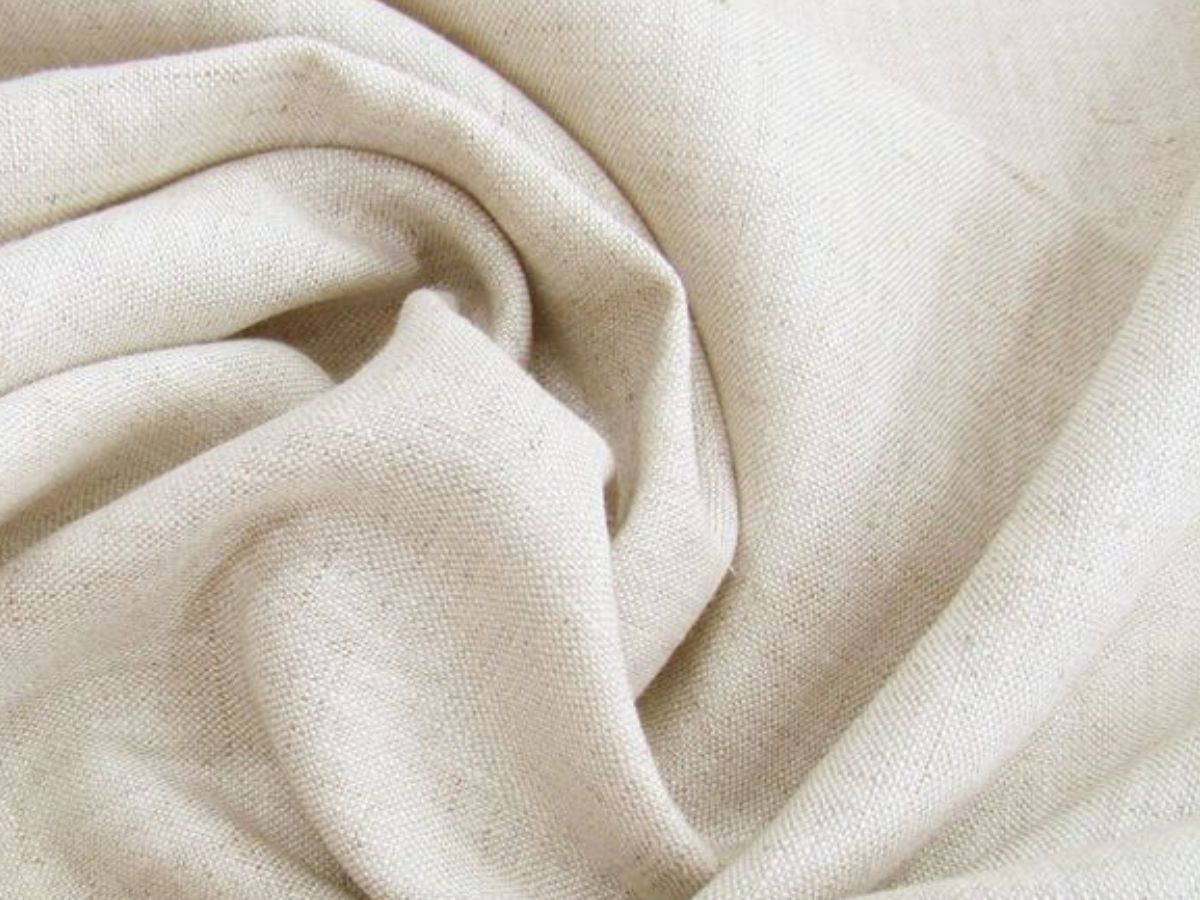
Blending wool with linen or silk lightens the cloth's hand and improves breathability while retaining more of wool's drape and wrinkle recovery than pure linen offers. These blends are a strong choice for wedding suits and warm-weather formal events, where you want a fabric that behaves better than raw linen over a long day.
Construction Choices That Improve Comfort
Fabric choice is only part of staying comfortable — construction plays an equally significant role. Half-lined or fully unlined jackets reduce the layers of material trapping heat against the torso, and half-canvassed construction, which uses natural horsehair canvas rather than fused interlining, allows the jacket to breathe and move with the body far better than a fused alternative.
How Manchester Tailor BKK Selects Fabric for Bangkok Wear
With direct import relationships and a library of more than 5,000 fabrics from mills across England, Italy and Australia, Manchester Tailor BKK's tailors routinely guide clients toward weights and weaves suited to daily Bangkok wear rather than defaulting to whatever look is fashionable elsewhere. This local expertise — paired with hand cutting and multiple fittings — means the finished garment is built to actually be worn comfortably in the city, not just to look sharp in a fitting room.
Frequently asked questions
- What fabric weight is ideal for Bangkok suits?
- Generally 200–260 grams per metre in a high-twist or tropical wool weave offers the best balance of comfort and structure.
- Does an unlined jacket look less formal?
- Not necessarily — half-lined and unlined jackets are common in warm-climate tailoring and can look just as sharp as a fully lined jacket while offering better breathability.
- Is cotton a good option for Bangkok business suits?
- Cotton is breathable and can work well for smart-casual pieces, though for formal business suiting, a lightweight wool generally offers better drape and structure.