




The short answer
Linen, woven from the flax plant, is one of the most breathable natural fibres available for suiting, with an open weave and moisture-wicking properties that make it genuinely comfortable in Southeast Asia's heat and humidity. Its trade-off is that it wrinkles by nature and creases through the day — a characteristic to embrace rather than avoid when choosing it for warm-weather tailoring in Bangkok.
Why Is Linen Considered the Best Fabric for Southeast Asia's Climate?
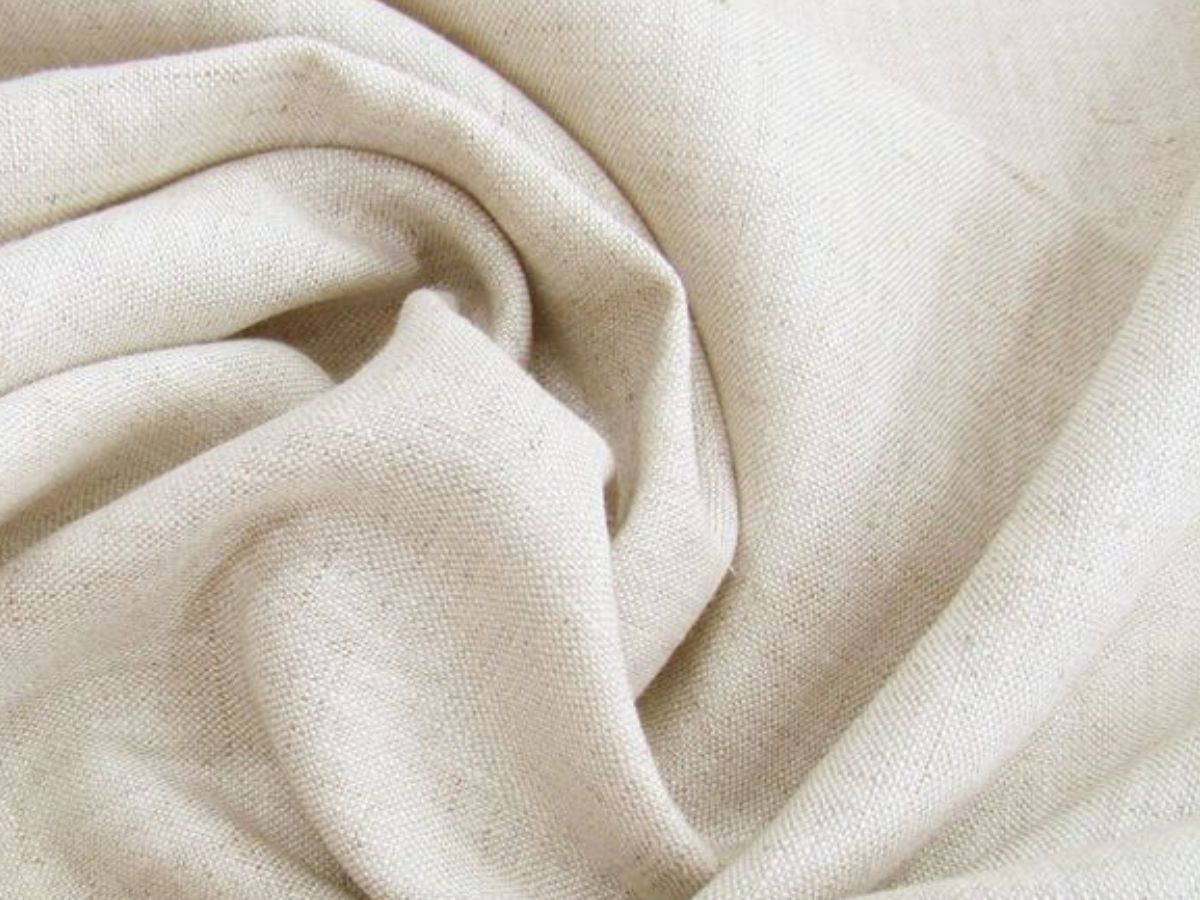
Linen fibre comes from the stalk of the flax plant, and its cellular structure gives it a naturally open, breathable weave along with excellent moisture-wicking properties — it absorbs and releases moisture faster than most other natural fibres, which is precisely why it has been favoured in hot climates for centuries. In Bangkok and across Southeast Asia, this translates into a fabric that feels noticeably cooler against the skin than wool of a comparable weight.
The Trade-Off: Linen Wrinkles by Nature
Linen's coolness comes at a direct cost: it creases easily and visibly, and this isn't a manufacturing flaw but an inherent property of the flax fibre's low elasticity. Anyone choosing pure linen for a suit should expect it to look relaxed and lived-in by the afternoon rather than crisp — a look that suits certain occasions well and others less so.
Where Linen Works Best
Linen suits shine at daytime weddings, resort and destination events, and casual business-social settings where a relaxed, textured appearance is welcome. It's less suited to conservative corporate environments or occasions where a crisp, sharp line needs to hold through a full day of meetings.
Wool-Linen Blends as a Practical Middle Ground
For clients who want much of linen's breathability without embracing its full creasing character, a wool-linen blend offers a genuinely useful compromise — the wool content improves wrinkle recovery and drape, while the linen keeps the cloth light and airy. This is often the more practical choice for business suits in Bangkok, reserving pure linen for more casual or occasion-specific pieces.
Choosing and Caring for a Linen Suit
Lighter colours in linen tend to suit the fabric's casual character better than very dark shades, which can look uneven as the weave creases. Linen also benefits from being hung immediately after wear rather than folded, and from professional pressing rather than home ironing, which can flatten the fibre's natural texture if done too aggressively.
Manchester Tailor BKK's fabric library includes linen sourced from historic European weaving houses in Italy and Belgium, imported directly and available in a range of weights, alongside wool-linen blends for clients who want a middle-ground option suited to their specific occasion.
Frequently asked questions
- Will my linen suit always look wrinkled?
- It will crease naturally through wear — this is expected of the fibre, not a flaw, and is generally accepted as part of linen's relaxed character.
- Is linen suitable for a business suit in Bangkok?
- Pure linen is better suited to casual or social settings; a wool-linen blend is generally the more practical choice for business wear.
- What colour linen suit is easiest to wear?
- Lighter shades like tan, sand and soft blue tend to suit linen's texture and creasing better than very dark colours.