



The short answer
A fabric earns the label 'luxury' through a combination of fine, carefully sourced fibre, a weaving and finishing process refined over generations at an established mill, and consistent quality across a collection — not simply through a high price tag or a well-known name. Fine mills such as Loro Piana and Vitale Barberis Canonico, both present in Manchester Tailor BKK's fabric library, illustrate this through their sourcing standards and finishing craft.
What Makes a Fabric "Luxury"?
The word 'luxury' gets applied loosely to suiting fabric, but a few concrete factors genuinely separate a fine mill cloth from an ordinary one: the quality and fineness of the raw fibre, the precision of the spinning and weaving process, the sophistication of the finishing treatment, and the consistency of all of this across an entire collection rather than a single showpiece bolt.
Fibre Sourcing Is the Foundation
Fine mills invest heavily in sourcing superior raw fibre — whether that's exceptionally fine merino wool, rare cashmere grades, or carefully selected flax for linen — because no amount of skilled weaving can fully compensate for coarse or inconsistent raw material. This is part of why mills like Loro Piana, known for controlling much of its supply chain from fibre sourcing onward, carry such strong reputations.
Weaving and Finishing Craft
Beyond the raw fibre, how a mill spins and weaves the yarn — and finishes the resulting cloth through processes like pressing, steaming and sometimes specialist treatments — determines the final hand, drape and appearance. Mills with generations of accumulated expertise, such as Vitale Barberis Canonico, apply finishing techniques refined over more than a century of continuous production, which shows in the cloth's consistency and drape.
Why Super Numbers and Price Alone Don't Define Luxury
It's worth repeating that a high Super number reflects fibre fineness, not overall quality, and price alone can reflect brand marketing as much as genuine craft. A fabric earns its luxury status through the whole chain — sourcing, spinning, weaving and finishing — working together consistently, which is why an experienced tailor's judgment matters more than any single specification when identifying genuinely fine cloth.
Accessing Fine Mill Cloth Through Bespoke Tailoring
The advantage of ordering bespoke rather than buying off-the-rack is direct access to genuine mill cloth, cut specifically for the client rather than mass-produced to a generic size. Manchester Tailor BKK imports fabric directly from mills across Italy, England and Australia, including names like Loro Piana and Vitale Barberis Canonico within its library of more than 5,000 fabrics, giving Bangkok clients access to the same calibre of cloth used in some of the world's most respected tailoring houses.
How to Evaluate Fabric Quality Yourself
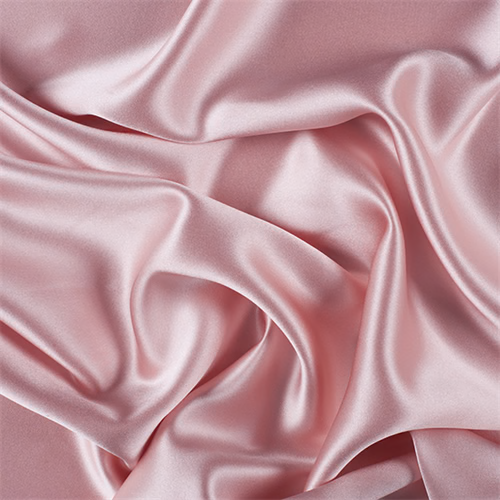
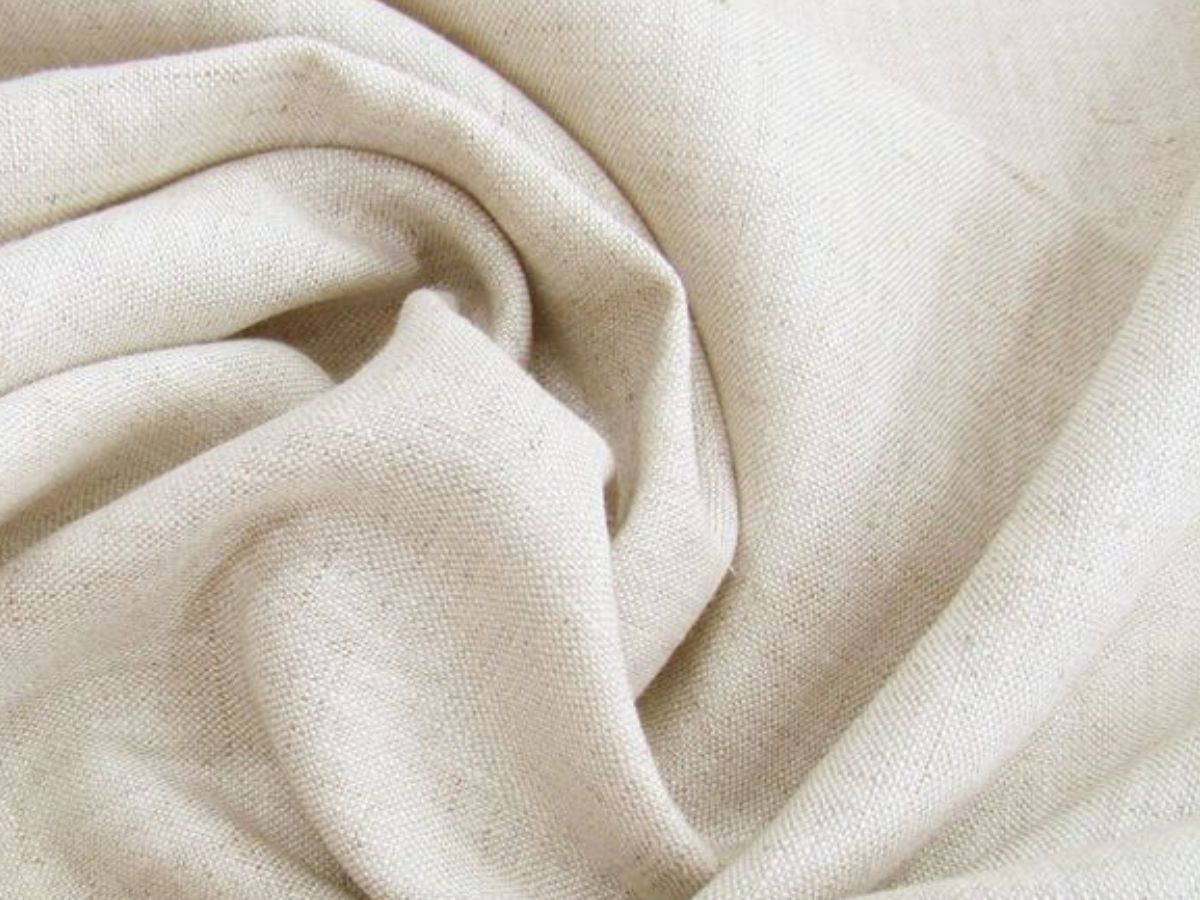
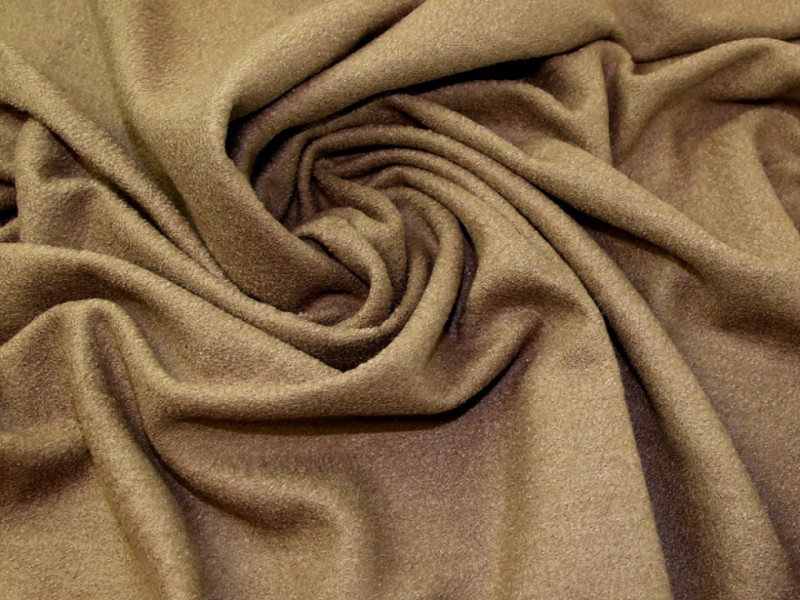
When examining a cloth in person, look and feel for an even, consistent weave with no visible slubs or irregularities (unless intentional, as in some linens), a smooth but not artificially slick hand, and a drape that falls cleanly rather than stiffly when held vertically. These simple checks, combined with guidance from an experienced tailor, are more reliable indicators of genuine quality than a brand name or Super number alone.
Frequently asked questions
- Is a higher price always a sign of better fabric quality?
- Not necessarily — price can reflect brand positioning as much as genuine fibre and construction quality, so it's worth evaluating the cloth itself rather than price alone.
- Can I order fabric directly from mills like Loro Piana or VBC at Manchester Tailor BKK?
- Yes — these mills are represented within the atelier's directly imported fabric library, which clients can browse during their consultation.
- What's the easiest way to spot a well-made fabric in person?
- Look for an even, consistent weave and a smooth, clean drape when the cloth is held vertically, and ask your tailor about the mill's sourcing and finishing process.