




The short answer
A well-made suit, properly cared for, should reasonably last ten to twenty years of regular wear, and a bespoke suit built with a full canvas and hand finishing often exceeds that with occasional re-tailoring. The determining factors are construction quality, fabric weight and weave, and how consistently it is rested, brushed and stored — not how expensive the cloth was on its own.
How long should a well-made suit last?
There is no fixed number, because lifespan depends on how often the suit is worn and how it is looked after between wears, but a reasonable benchmark for a well-constructed suit worn once or twice a week is ten to twenty years before it needs retiring or a significant rebuild. Some bespoke garments, cared for meticulously and re-altered as the body changes, remain in active rotation for considerably longer.
This is a different proposition from a fused, mass-produced suit, where the glued canvas can begin to bubble or separate from the shell fabric within a handful of years regardless of care, simply because of how it was built.
Construction is the biggest single factor
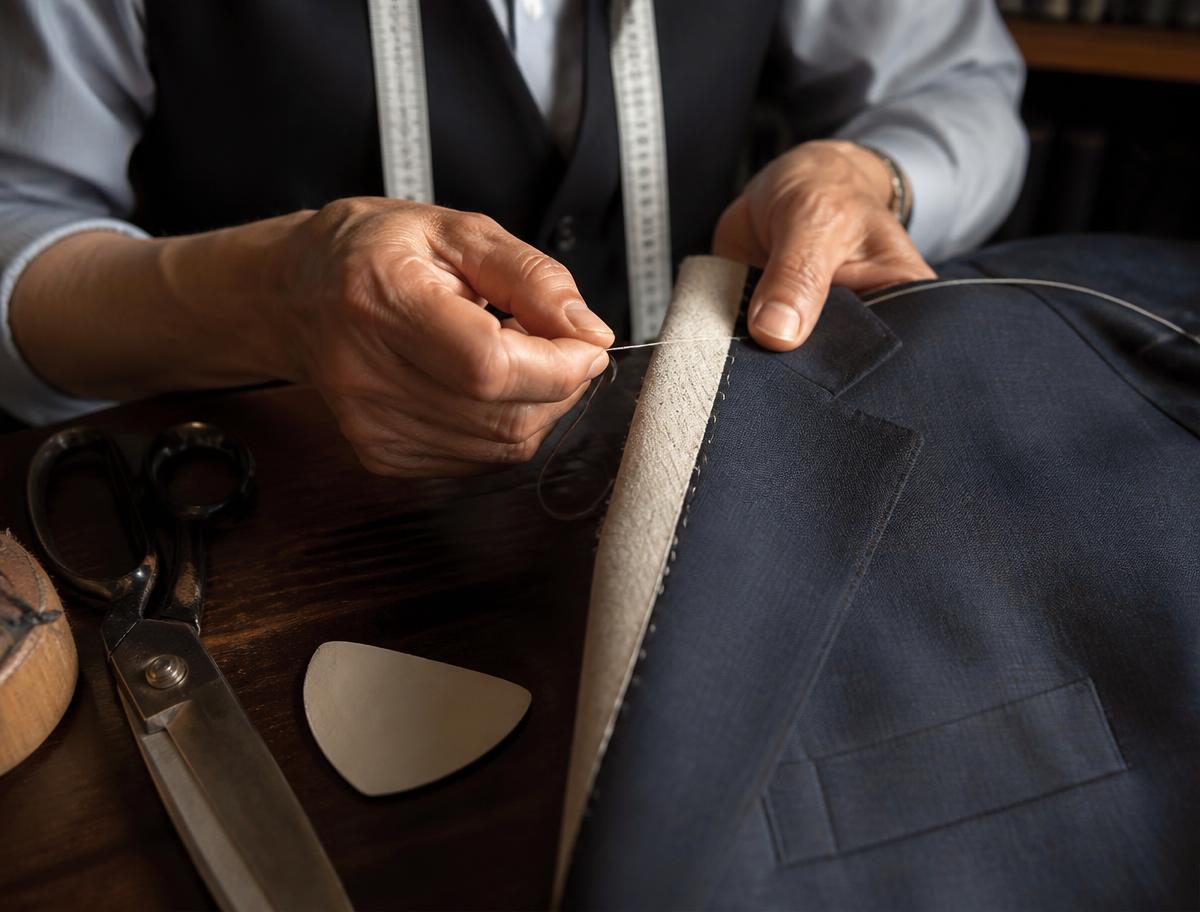
A full canvas construction — where a floating layer of horsehair and wool canvas is hand-stitched between the outer cloth and the lining rather than glued — moves with the body and ages gracefully, developing a natural roll in the lapel and softening slightly with wear rather than degrading. This is the construction used throughout Manchester Tailor BKK's bespoke work, hand-cut from an individual paper pattern for each client.
Fused construction, by contrast, bonds the canvas to the cloth with adhesive. It looks crisp when new but the bond can weaken with heat, humidity and dry cleaning cycles, leading to visible bubbling that cannot be repaired — only replaced.
Fabric weight and weave also matter
A tightly woven, mid-weight worsted wool in the 220–280 gram range tends to resist wrinkling and abrasion better over years of wear than very lightweight or very loosely woven cloths, which can thin out faster at points of friction like the seat and elbows. Super high yarn-number wools, prized for their softness, are genuinely more delicate and reward lighter, less frequent wear if longevity is the priority.
In a humid climate, cloths with a slight linen or high-twist content perform differently again — they resist creasing well but can show wear at stress points sooner than pure worsted wool, which is worth discussing with your tailor at the fabric selection stage.
Care habits extend or shorten the timeline dramatically
Two suits of identical construction and cloth can have very different lifespans depending on how they are treated. Regular brushing, 24-hour rest between wears, minimal dry cleaning and correct humidity-aware storage are what separate a suit that looks sharp after fifteen years from one that looks tired after five.
Sun exposure, both from wearing the suit outdoors for long stretches and from storing it near a window, is an underappreciated factor — UV light fades and weakens wool fibres over time, so a dark, ventilated wardrobe is preferable to one flooded with daylight.
What this means when commissioning a suit in Bangkok
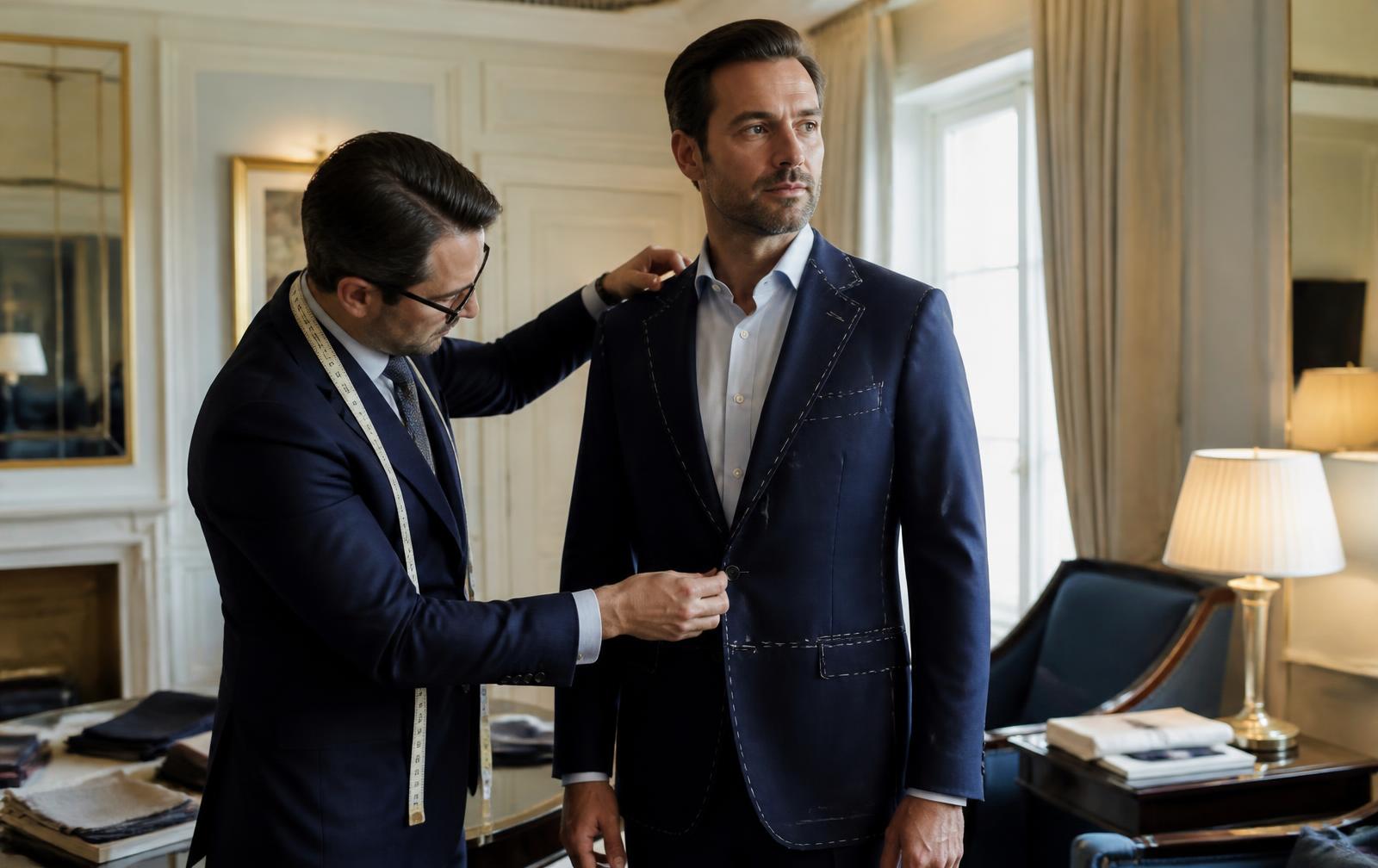
Because a bespoke suit represents a meaningful investment of time and cloth, it is worth thinking about longevity from the first consultation, not just at the point of care. At Manchester Tailor BKK, our fittings and hand construction are built around exactly this expectation of long service, and our fabric library — sourced directly from mills in Italy, England and Australia — includes weights and weaves suited to both formal longevity and Bangkok's everyday climate.
Clients who return for a second or third commission often bring their first suit in for assessment, and it is common for a well-cared-for bespoke piece from us to still be in good working order after a decade of regular wear.
Frequently asked questions
- Does a more expensive fabric automatically last longer?
- Not necessarily — very fine, high-yarn-number wools are often softer but more delicate, while a mid-weight, tightly woven worsted can outlast a more expensive but delicate cloth in daily wear.
- Can a fused suit be repaired if the canvas bubbles?
- Generally no — once the adhesive bond fails, the only real fix is replacing the jacket, which is one reason full canvas construction is favoured for longevity.
- How many suits should I own to extend each one's lifespan?
- Rotating between at least two or three suits in regular use gives each one adequate rest time between wears, which meaningfully extends how long all of them last.