



The short answer
A suit usually needs only alterations if the changes are limited to the waist, seat, trouser length or sleeve length, all of which a Bangkok tailor can adjust within the seam allowance built into the garment. It is time for a new suit when the shoulders no longer sit correctly, the cloth is visibly worn or shiny, or the changes to your body are beyond what the existing seam allowance can accommodate.
Why some changes are fixable and others are not
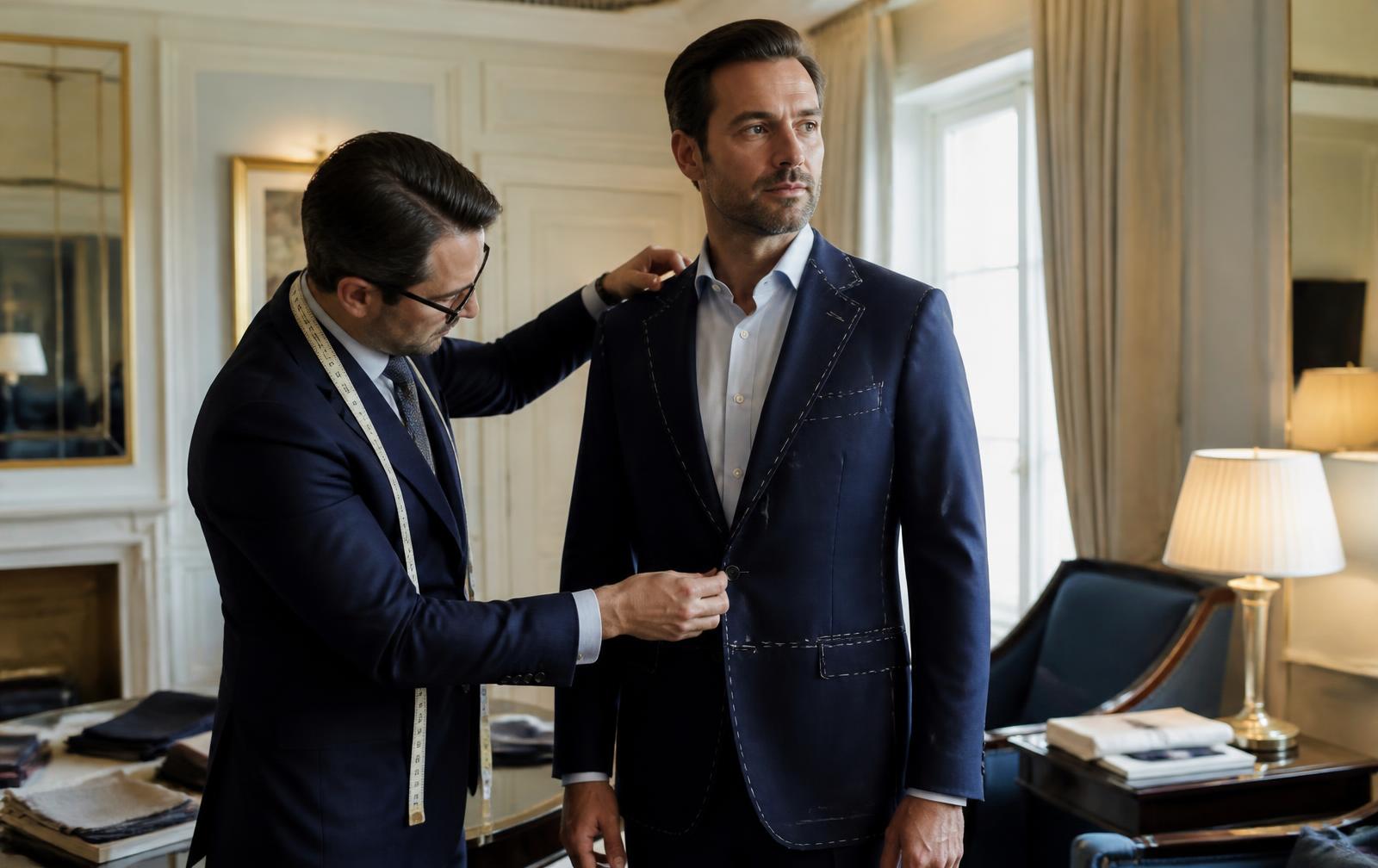
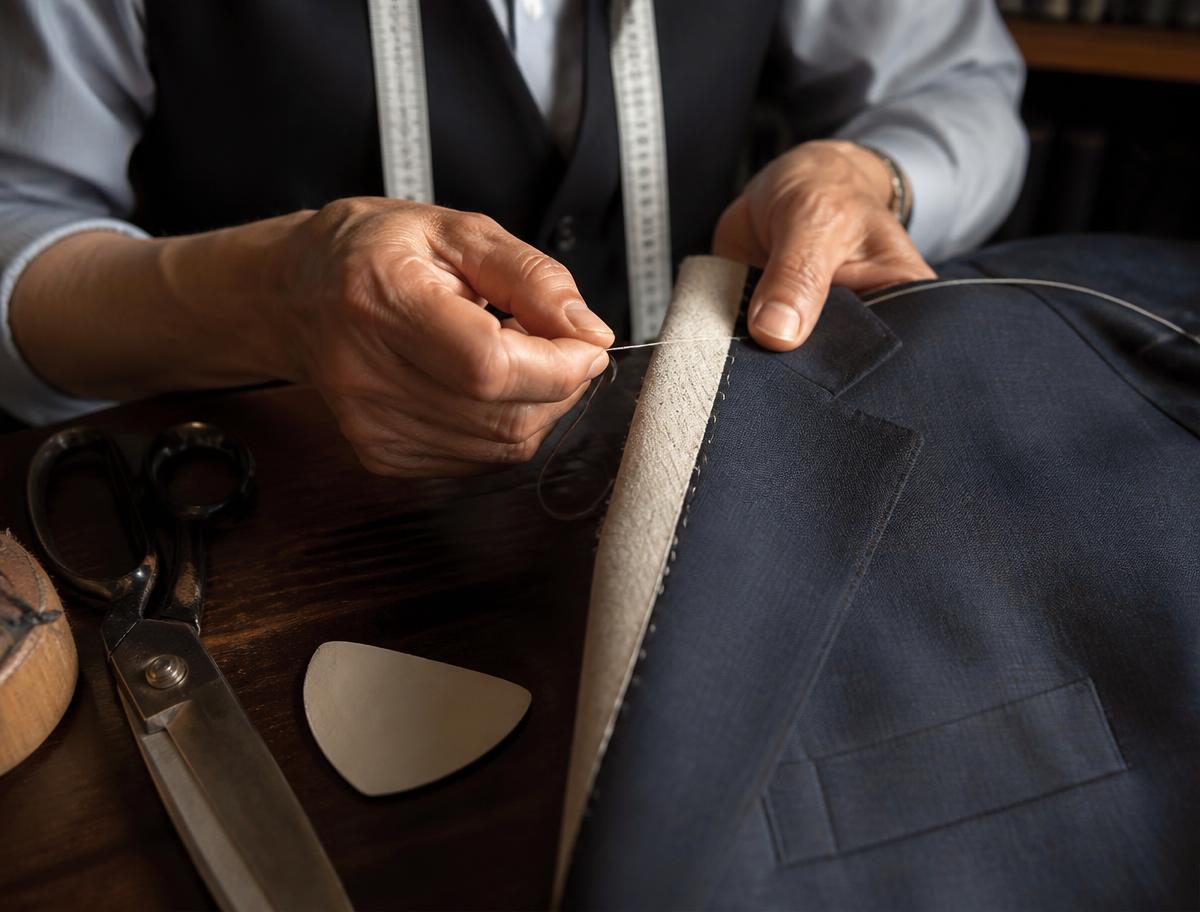
Every well-made suit is cut with a modest amount of extra fabric in the seams, specifically so it can be let out or taken in later. How much room there is depends on how the garment was originally constructed — a bespoke suit typically has more allowance built in than an off-the-rack one, because it is finished with future adjustment in mind.
The general rule among tailors is that anything below the shoulder — waist, seat, trouser waistband, hem length, sleeve length — is straightforward to alter. The shoulders themselves are a different story: reworking the shoulder line means unpicking the sleeve, the collar and often the chest canvas, which is a substantial and sometimes impossible job depending on the construction.
Signs your suit needs alterations vs. signs it's time for a new one
If your weight has shifted moderately, the fit issue is almost always in the waist or seat, both of which take in or let out cleanly on jacket and trousers alike. A trouser hem that has crept up because you have changed the shoes you wear with the suit, or sleeves that need a centimetre off to clear the shirt cuff correctly, are equally simple fixes.
The signal that a suit has reached the end of its adjustable life is when the shoulder seam no longer sits at the edge of your shoulder bone, when the lapel does not lie flat against the chest, or when the jacket pulls and creases across the back regardless of how much is let out at the waist — these are shoulder and chest issues, not waist issues, and they usually cannot be corrected.
Visible wear is the other deciding factor, independent of fit. Shine on the seat and elbows, fraying at the cuffs and pocket edges, or a lining that has torn in several places all point to a garment that has done its job and is not worth further investment in alteration.
What can realistically be altered
- Trouser waistband — in or out, usually within a few centimetres either way.
- Jacket side seams and back seam — modest adjustment to the waist and seat.
- Sleeve length — shortened easily; lengthened only if enough fabric was left inside the cuff.
- Trouser length — straightforward in either direction within reason.
- Jacket length — a minor hem adjustment is possible but rarely more than a centimetre or two.
What generally cannot be altered
- Shoulder width — requires rebuilding the sleeve and collar, often not cost-effective.
- Chest and back balance — tied to the original canvas and pattern.
- Overall silhouette — converting a slim cut to a fuller one, or vice versa, is rarely successful.
- Cloth that has thinned, shone or frayed beyond a re-weave.
Why bespoke suits handle this decision better
Because a bespoke suit from Manchester Tailor BKK is built from an individual paper pattern rather than a graded block, the proportions were correct for your body from the start, which means most future changes really are limited to waist and seat rather than a fundamental mismatch in the shoulders. We keep client patterns on file, so if the body does change meaningfully, a new commission can be cut from the same reference pattern with only the necessary adjustments, rather than starting the fitting process from zero.
When a client brings in an older suit for assessment, our tailors will give an honest opinion on whether it is worth altering or whether the fabric and construction have simply reached their natural limit — the same standard of judgement we apply to our own work.
Frequently asked questions
- Can a jacket be made smaller in the shoulders?
- Rarely, and only by a small margin — shoulder alterations involve reworking the sleeve and canvas, so it is usually more sensible to have a new jacket cut.
- How much can a waistband typically be let out?
- It depends on the seam allowance left at construction, but a well-made suit generally allows a few centimetres either way at the waist and seat.
- Is it worth altering an old suit rather than buying new?
- If the cloth is in good condition and the changes needed are limited to waist, seat or length, alteration is usually more economical; if the shoulders no longer fit or the fabric is visibly worn, a new suit is the better investment.