



The short answer
A tie is the default choice for business and most formal occasions, a bow tie is reserved for black tie, weddings and a small number of deliberately distinctive daywear looks, and a pocket square is an optional accent that should never be treated as mandatory. For a first bespoke wardrobe in Bangkok, start with two or three ties in versatile colours, one black bow tie for formal events, and a plain white linen pocket square before expanding into pattern.
The Necktie: Your Everyday Foundation
The standard necktie remains the default accessory for business, interviews, weddings as a guest, and most formal daywear in Bangkok's corporate and social settings. Width matters more than most beginners realise: a tie between roughly 7 and 8.5 centimetres at its widest point is proportionate to most modern suit lapels, while very slim ties under 6 centimetres can look dated against a classic notch lapel, and very wide ties can overwhelm a slim silhouette.
For a first two or three ties, prioritise solid navy, solid burgundy, and one subtly patterned option such as a small grid or fine stripe. These three cover business meetings, weddings, and semi-formal events without needing to be replaced as your wardrobe grows, and each pairs cleanly with the navy and charcoal suits that make up most first bespoke orders.
The Bow Tie: Occasion, Not Everyday
A bow tie is correct at black-tie events, with a dinner jacket, and increasingly at weddings where the dress code specifies it. Outside of those settings, a bow tie worn with an ordinary business suit reads as a deliberate style statement rather than standard dress, which is fine if that is the intention but worth knowing before wearing one into a client meeting. A black satin or grosgrain bow tie is the only bow tie strictly required for genuine black tie; anything patterned or coloured is a personal-style choice for less formal events.
Self-tie bow ties are worth learning even though pre-tied versions exist, because a hand-tied bow has a slightly irregular, more natural shape that reads as considered rather than uniform. It takes practice, generally the same knot logic as tying a shoelace, and most men manage a passable result within a few attempts.
The Pocket Square: Optional, Not Obligatory
Unlike the tie, a pocket square is never required — it is a finishing touch that adds colour or texture without being essential to correct dress. For a first pocket square, choose white linen in a flat fold; it works with every suit colour, every tie, and every level of formality, and it will not compete with anything else in the outfit while you build confidence with the rest of your wardrobe.
As a second and third pocket square, look at colours and light patterns that relate to your existing ties rather than duplicating them exactly, which is where most of the styling skill in this category actually lives.
Ties, Bow Ties & Pocket Squares: A Beginner's Guide to Fabric
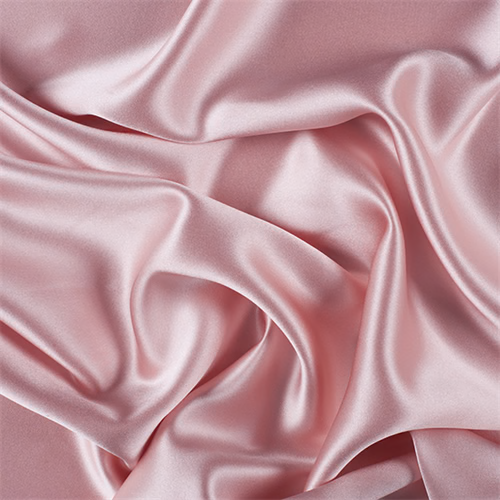
Silk is the most common tie fabric and suits most business and formal settings. Wool and knitted ties bring texture and sit well in Bangkok's air-conditioned offices, offering a more casual alternative to silk without sacrificing formality for smart-casual dress. Linen ties and pocket squares are breathable and suit warmer, more relaxed settings, though linen wrinkles more visibly than silk, which some wearers prefer for its texture and others find too casual for formal business.
Pocket squares are most commonly linen, cotton or silk. Linen holds a crisp flat fold well and photographs cleanly; silk drapes more and suits a looser puff fold. Neither is more correct than the other — the choice comes down to the fold you prefer and the texture contrast you want against the tie.
Building a First Small Collection
A sensible starting collection for a first bespoke wardrobe is two or three ties covering solid navy, solid burgundy and one subtle pattern; one black bow tie for formal events; and two pocket squares, one plain white and one with light colour or pattern. This covers business, formal events and most social occasions without overbuying, and it gives you a base to expand from once you have a clearer sense of your own preferences.
Because accessories are a smaller investment than a suit, they are also a good place to experiment with colour and pattern before committing to bolder choices in a jacket or shirt. A patterned tie is far easier and cheaper to replace than a patterned suit that turns out to be a poor match for your existing wardrobe.
Getting Advice Before You Buy
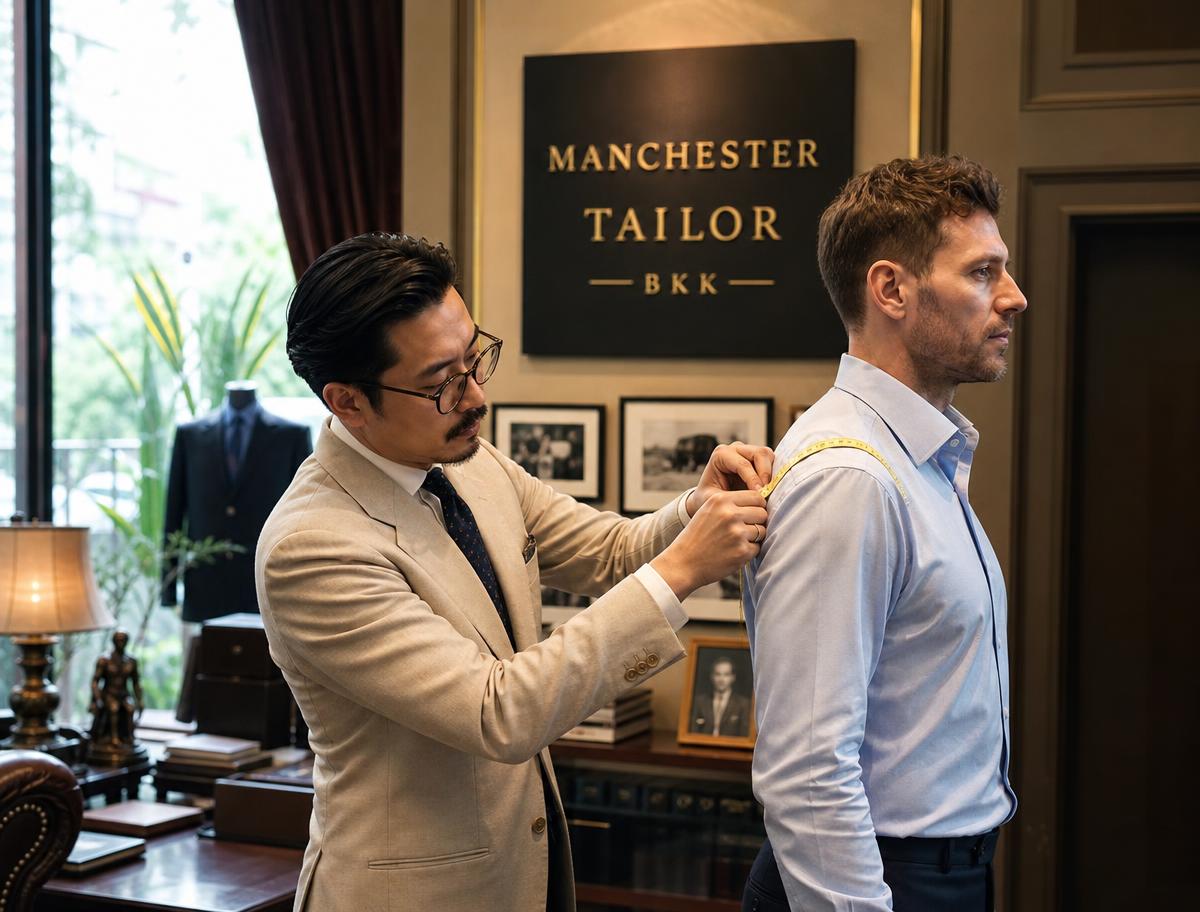
Because tie width, bow tie shape and pocket square fold all need to relate to the specific suit and shirt they will be worn with, the most efficient way to build this part of a wardrobe is during a fitting, when the actual garments are in the room. Manchester Tailor BKK's team in Khaosan Area regularly advises clients on exactly this kind of accessory building during suit fittings, drawing on the fabric library on site to test combinations directly rather than in the abstract.
Frequently asked questions
- Is a bow tie ever appropriate for business?
- It is uncommon and reads as a strong personal style choice rather than standard business dress. Most corporate settings in Bangkok default to the necktie.
- What tie width suits a slim-cut bespoke suit?
- A tie in the 7 to 8 centimetre range generally balances a modern, slim notch lapel well; anything narrower can look thin against the jacket's proportions.
- How many ties does a new bespoke wardrobe actually need?
- Two or three well-chosen ties in versatile colours cover most business and social occasions before variety becomes more important than quantity.