



The short answer
The clearest red flags are a single quick measurement with no interim fitting, pressure to commit and pay in full within minutes, and vague or evasive answers about where the fabric comes from. Genuine bespoke tailoring in Bangkok — including at Manchester Tailor BKK in Khaosan Area — involves an individual pattern, at least one fitting, and clear, checkable fabric sourcing. Learning to spot the absence of these before you pay a deposit can save you from an expensive disappointment.
Red flag one: no interim fitting offered
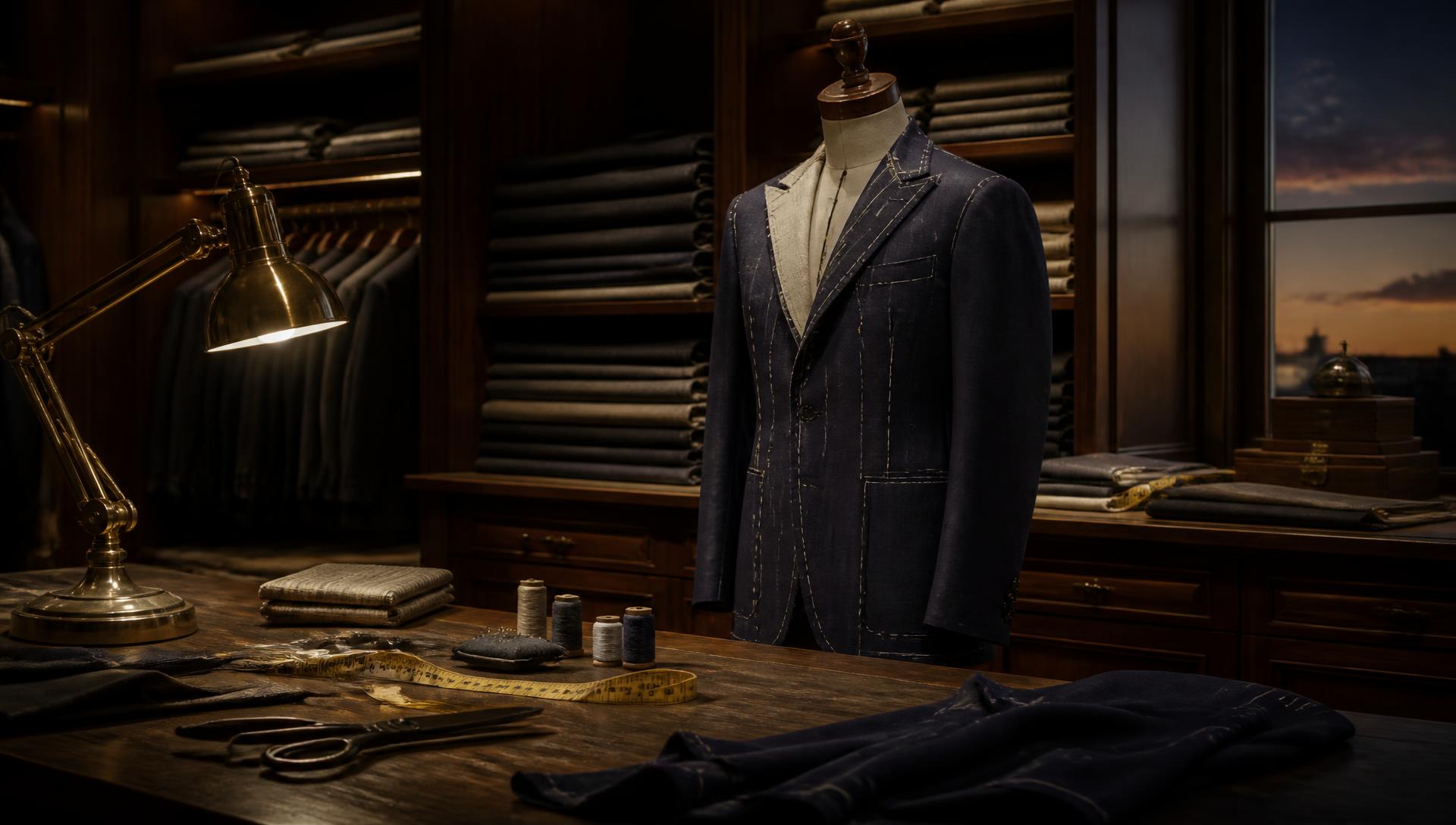
If a shop measures you once and tells you the finished suit will simply be ready in a day or two with no fitting in between, that is a made-to-measure process at best, regardless of what the sign outside says. Genuine bespoke construction is built up in stages specifically so that fit issues can be caught and corrected before the final seams are sewn.
Red flag two: heavy pressure to commit immediately
Aggressive upselling within the first few minutes of a consultation — multiple suits, rushed fabric selection, insistence on full payment before you've seen a single swatch properly — is a common tactic in lower-quality operations that rely on high turnover rather than repeat business. A tailor confident in their work will let you take the time you need.
Red flag three: vague answers about the fabric
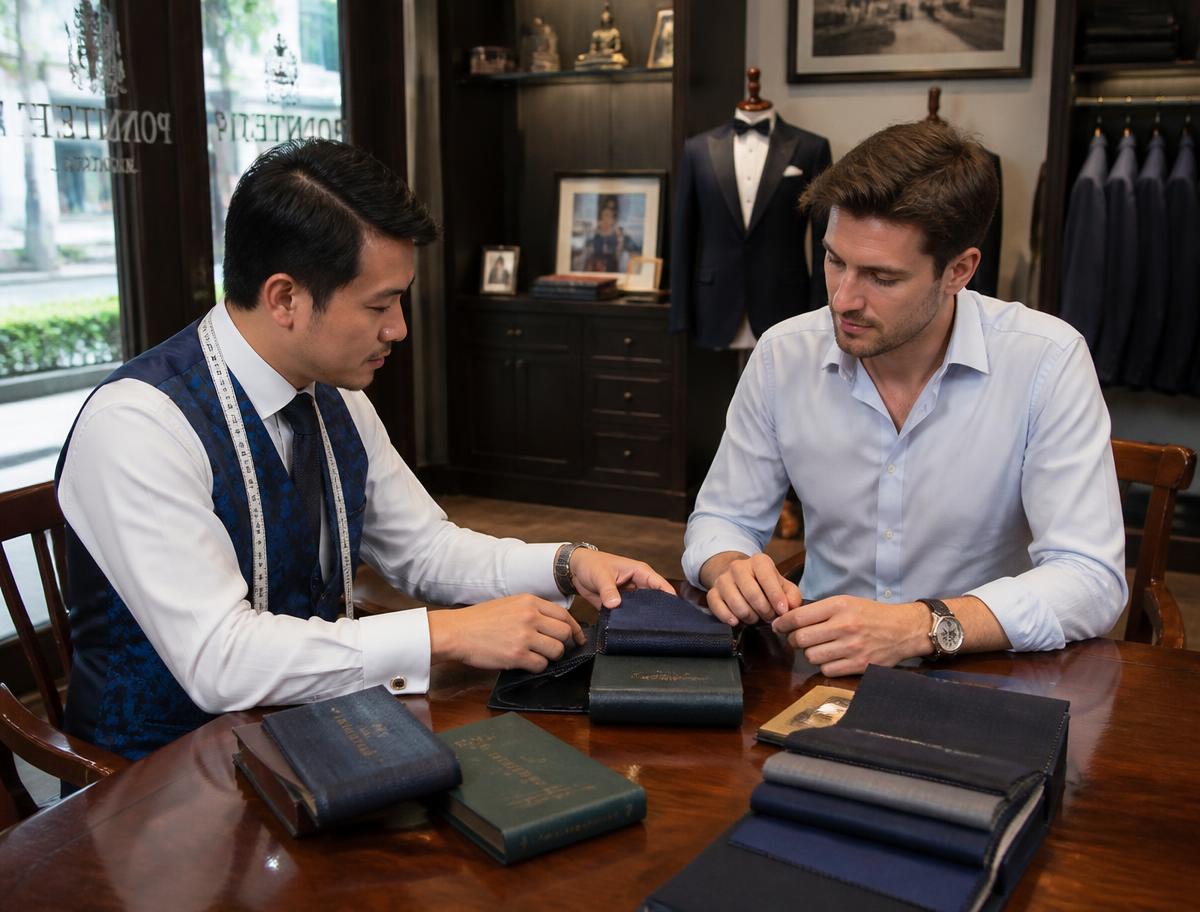
Ask where the cloth comes from and listen for specifics. A legitimate workshop should be able to name a mill or country of origin without hesitation. If the answer is a shrug or a generic 'imported wool' with no further detail, the fabric is likely an unlabelled bulk purchase rather than sourced with any intention.
Red flag four: no clear pricing structure
Watch for quotes that shift substantially between the initial conversation and the final bill, particularly if the increase isn't tied to a specific fabric or feature you asked for. Transparent pricing, published or at least clearly explained upfront, is a basic marker of a trustworthy business.
How to spot a low-quality bespoke tailor before you commit
Combine the signs above into a short mental checklist during your first conversation: is a fitting actually offered, is the pace of the sales conversation reasonable, can they name their fabric sources, and does the pricing hold together under questioning. If two or more of these fail, treat it as a serious warning sign regardless of how the storefront looks.
What a trustworthy process looks like instead
At Manchester Tailor BKK, every full bespoke order includes an individual pattern, at least one fitting, and fabric drawn from a library of over 5,000 cloths sourced from named mills in England, Italy and Australia, with pricing published on our packages and pricing page rather than negotiated on the spot. Use that as a comparison point wherever you choose to go.
Frequently asked questions
- Is it normal for a tailor to ask for a deposit?
- Yes, a reasonable deposit is standard practice; the concern is being pressured to pay the full amount before seeing any fabric or fitting details.
- Can a suit still turn out well without a fitting?
- It's possible for simple, well-measured cases, but an interim fitting significantly reduces the risk of a poor result, especially for a first order with a new tailor.
- How do I check if a tailor's fabric claims are accurate?
- Ask for the specific mill name and, where possible, look it up independently; a legitimate source will hold up to that scrutiny.