




The short answer
A 2-piece suit — jacket and trousers — is the more practical, breathable choice for daily business wear in Bangkok's climate, while a 3-piece suit with a waistcoat adds formality and is better suited to weddings, cooler air-conditioned settings, or occasions where a more layered, dressed-up look is wanted. The decision largely comes down to how much extra warmth and formality you're willing to trade for.
2-Piece vs. 3-Piece Suits: What's Actually Different?
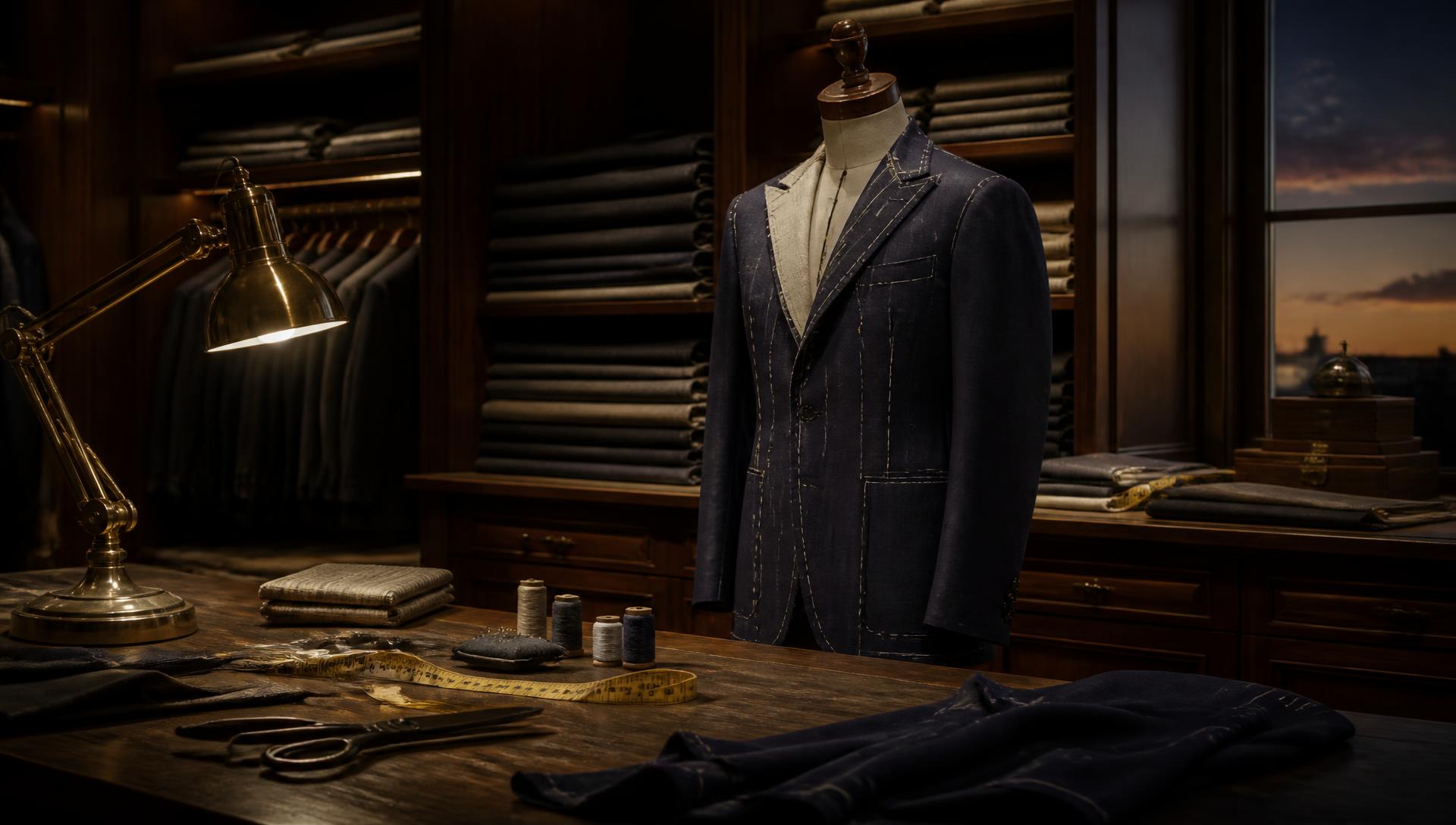
A 2-piece suit consists of a jacket and trousers, cut from the same cloth, and remains the standard for most business and everyday tailoring. A 3-piece suit adds a matching waistcoat, worn under the jacket, which adds a layer of structure and formality — and, notably, a layer of extra fabric across the torso.
The waistcoat's role has shifted over the decades from a near-mandatory piece of formal dress to more of an optional flourish, but it still carries real practical implications, particularly in a hot climate.
Why a 2-Piece Suit Works Better Day-to-Day in Bangkok
The extra layer a waistcoat adds is the main consideration for anyone dressing in Bangkok's heat and humidity for most of the year. A 2-piece suit in a lightweight, breathable wool — ideally around 200–260 grams per metre — stays comfortable through a full working day, while a waistcoat traps additional heat against the body that's simply less bearable outside air-conditioned interiors.
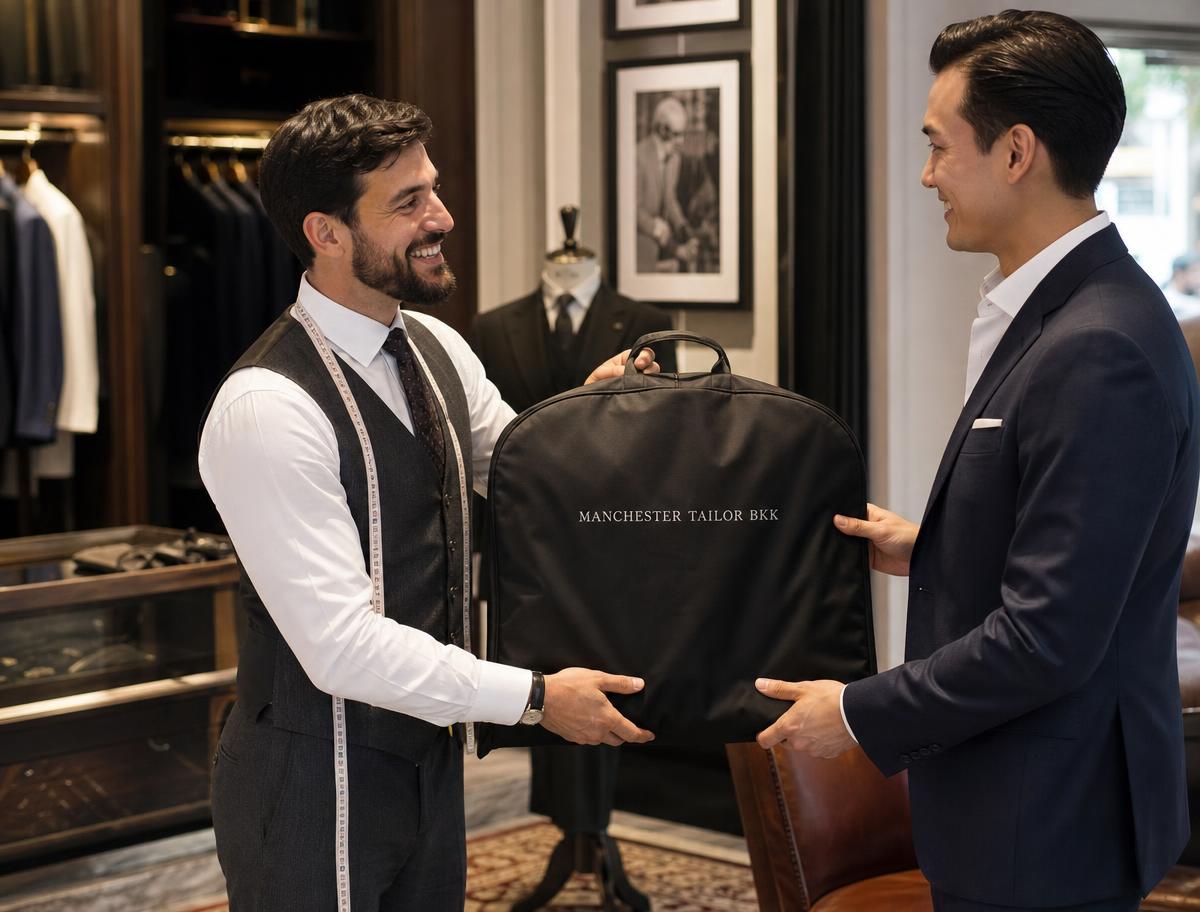
For this reason, most business clients at Manchester Tailor BKK opt for 2-piece suits as their everyday wardrobe staple, reserving the 3-piece option for occasions where the extra formality is worth the trade-off.
When a 3-Piece Suit Is the Right Choice
Weddings, formal dinners and occasions held largely indoors are where a waistcoat earns its keep — it adds visual depth, covers the shirt and belt line cleanly if the jacket comes off, and photographs well for events where you'll be seen without your jacket for stretches of time. Grooms in particular often choose a 3-piece suit specifically because it holds together visually even once the jacket is removed later in the evening.
Fabric and Construction Considerations
If a 3-piece suit is the right call for the occasion, choosing a lighter fabric weight and a half-lined or unlined waistcoat back can offset some of the added warmth. This is a detail worth discussing directly with your tailor rather than assuming the waistcoat has to be cut from the same weight of cloth throughout.
How Manchester Tailor BKK Handles Both Formats
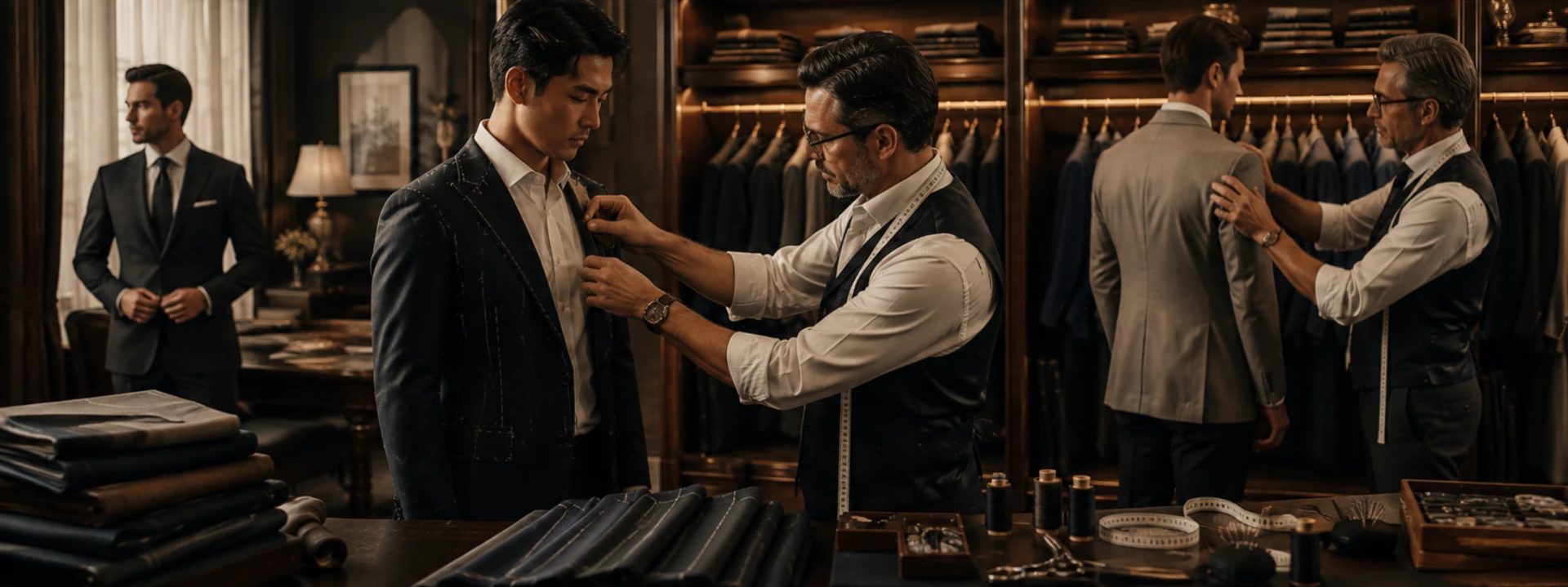
Because Manchester Tailor BKK works from an individual paper pattern with directly imported cloth across more than 5,000 fabric options, clients can select a lighter cloth specifically for a 3-piece order without compromising the match between jacket, trouser and waistcoat. Multiple fittings ensure the waistcoat sits correctly under the jacket rather than bunching or gapping, which is one of the most common fit failures in off-the-rack 3-piece suits.
Frequently asked questions
- Is a 3-piece suit too hot for Bangkok?
- It's warmer than a 2-piece by nature of the extra layer, but in a lightweight fabric and for occasions largely spent indoors, it remains a practical option.
- Can I order a waistcoat separately later?
- Yes, provided the fabric is still available — ordering it alongside the original suit guarantees an exact cloth match, which is why most clients decide upfront.
- Does a 3-piece suit always need to be worn with the waistcoat?
- No — many clients wear the jacket and trousers as a 2-piece look day-to-day and reserve the waistcoat for more formal occasions.